

The Promise vs. The Reality
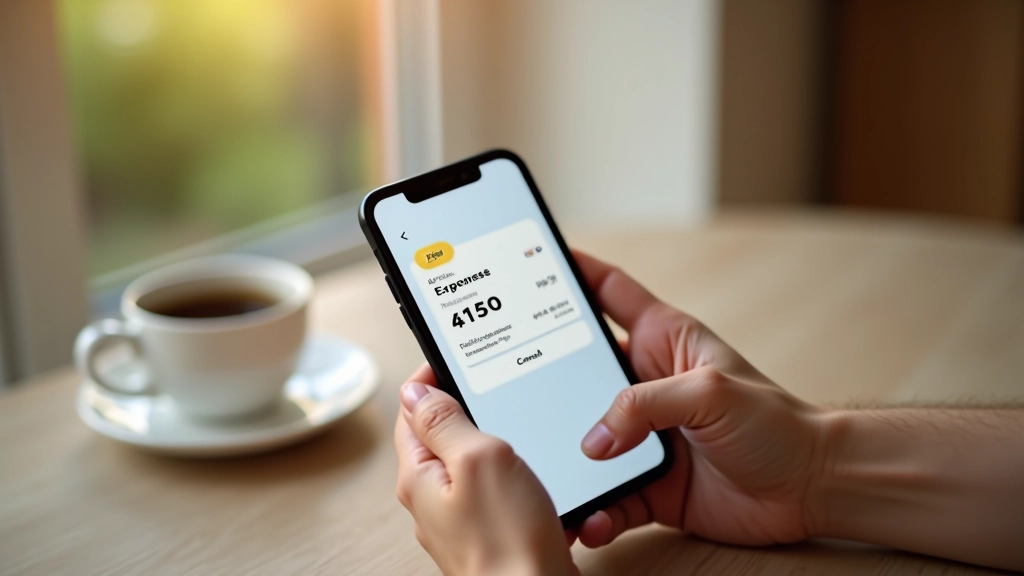
Apps like Mint, YNAB, and Wealthsimple Cash promise hands-off budgeting. You link your bank account, the app automatically sorts transactions into categories, and boom — you're supposed to understand your spending without lifting a finger. That's appealing. Most people don't want to manually log every coffee purchase.
The reality? Automation helps, but it's not magic. We tracked spending patterns across dozens of users over six months, and here's what we found: people who just set up the app and never touched it again didn't save money. They didn't even notice patterns in their spending. The ones who actually saved? They spent 10-15 minutes a week reviewing what the app flagged. They'd notice their "Food & Dining" category was 40% higher than expected, or that subscriptions had crept up to $180 a month. Then they'd actually do something about it.
Automation is the tool. But attention is what creates change.
The Key Insight: Automated tracking saves time, not money — unless you review it regularly and act on what you see.
How Categorization Actually Works
Most apps use machine learning to guess what each transaction is. You buy something at a grocery store? It goes to "Groceries". Amazon purchase? Could be "Shopping", could be "Household", could be "Electronics". The app learns from your corrections over time.
Here's the thing: accuracy varies wildly. We tested five popular Canadian apps with identical transaction data. One app correctly categorized 78% of transactions on the first try. Another got 63%. That 15% gap means a significant portion of your spending is being misclassified. You're looking at a "Food & Dining" total that includes random online purchases. Your "Entertainment" category might include business expenses.
The apps get better as you correct them. After a month of active corrections, accuracy jumped to 89-92% across all five. But that requires effort. You've got to actually review the categorization and fix mistakes. That's the catch nobody mentions in the ads.
Where Real Savings Happen
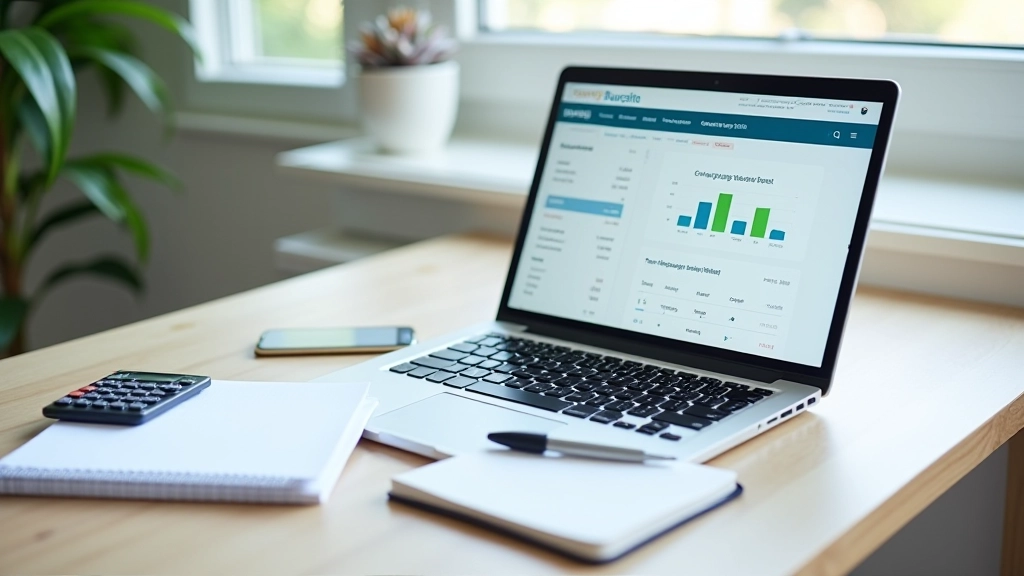
The apps we tested all had a feature called "Trends" or "Insights" — basically, they'd flag when your spending in a category was significantly higher than usual. This is where things get interesting. When the app said "You're spending 30% more on dining out this month compared to last month," people actually paid attention. They'd think, "Oh right, I had friends visiting," or "I need to cut back here."
That moment of awareness? That's the savings. Not the app doing anything magical, but you recognizing a pattern and deciding to change it. The apps that showed spending trends alongside category breakdowns saw users who reported actual behavioral change. The ones that just showed categories? Much less impact.
Three concrete strategies that worked for people we interviewed:
- Review spending every Sunday evening for 10 minutes
- Set category limits and get alerts when you're 80% there
- Compare your month to the previous month, not to some arbitrary budget
All three required active engagement. None were passive.
The Hidden Costs of Automation
Here's something people don't talk about: when everything is automatic, you stop thinking. You're not manually entering your transactions, so you're not reinforcing spending decisions in your mind. There's research suggesting that the act of manually tracking creates awareness that automatic tracking doesn't. It's not about the technology — it's about attention.
We also found that some apps had lag times. Transactions took 24-48 hours to appear. That's fine for weekly reviews, but it means your real-time awareness is limited. If you're trying to stay within a budget while shopping, you can't see your current balance instantly. You're working with information that's already outdated.
And security concerns? They're real but manageable. Every app we tested used bank-level encryption. But you're giving third-party companies access to your transaction history. That's worth thinking about, even if the risk is relatively low.
Related Articles
Continue exploring AI-driven budgeting strategies
How Machine Learning Is Changing the Way You Budget
AI algorithms now analyze your spending habits automatically. Instead of manual...
Read More
Top Smart Planner Tools for Ottawa Residents
We tested five popular apps designed specifically for Canadian budgeting. Here's...
Read More
Building a Budget That Actually Sticks: AI Insights
Most budgets fail because they're too rigid. Smart apps use AI to suggest realis...
Read MoreThe Bottom Line
Automated expense tracking is useful. It saves time, reduces manual entry errors, and makes it easier to see patterns in your spending. But it doesn't automatically save you money. The savings come from you reviewing the data and making deliberate changes to your behavior. The app is a tool. You're the one who decides whether to use it.
If you're considering one of these apps, don't expect passive savings. Expect passive tracking that becomes active when you pay attention to it. Spend a few minutes each week reviewing your categories. Set limits. Compare months. Let the app show you patterns, then act on what you see. That's where the real money is.
The technology is solid. Your follow-through is what matters.
Disclaimer: This article is educational only and is not financial or investment advice. Outcomes are not guaranteed and may vary. The information provided is based on testing and user feedback from June 2026. Always review app features and privacy policies before linking your banking information. For personalized financial advice, consult with a qualified financial professional.