
Building a Budget That Actually Sticks: AI Insights


Most budgets fail within three months. You know the feeling — you create a spreadsheet, promise yourself you'll stick to it, and by April you're back to your old spending habits. The problem isn't willpower. It's that traditional budgets are too rigid. They don't adapt when life changes. That's where AI comes in. Smart budgeting apps now use machine learning to understand your actual behavior, not your best intentions. They suggest realistic adjustments based on what you really spend, not what you think you should.
Why Traditional Budgets Fail
The standard approach is straightforward but flawed. You estimate how much you'll spend on groceries, gas, dining out. You set strict limits. Then reality hits. Your car needs an unexpected repair. Your favorite coffee shop becomes a regular habit. A friend invites you to an event.
When you exceed your budget categories — which most people do — you feel like you've failed. That frustration leads to one of two outcomes. Either you give up entirely on budgeting, or you spend hours manually adjusting numbers in a spreadsheet. Neither approach is sustainable. You need a system that bends without breaking.
Key Insight
Research shows that people who use flexible, adaptive budgeting approaches report higher satisfaction than those using rigid categories. The difference? The system learns and adjusts with them.

How AI Changes the Game
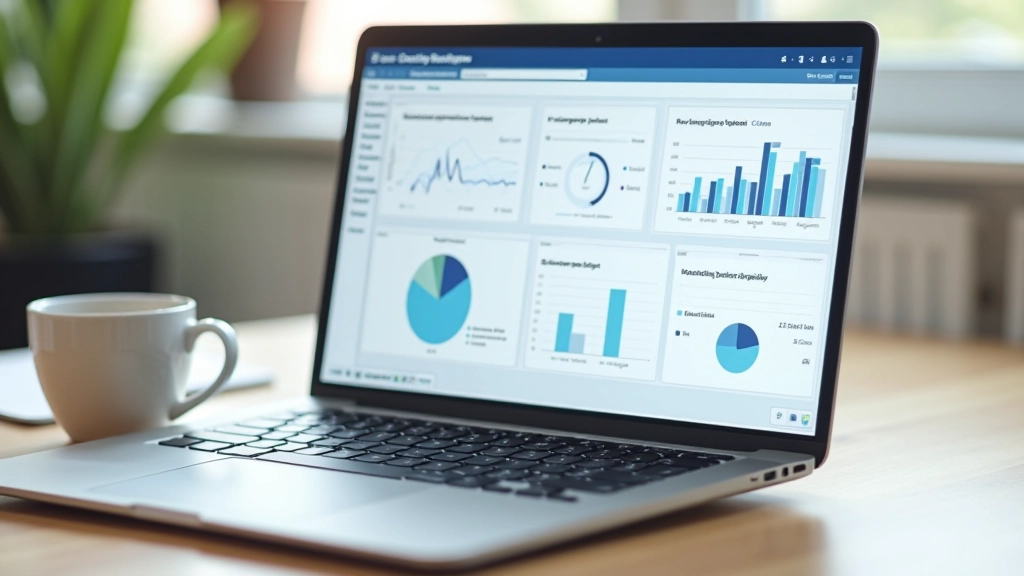
AI-powered budgeting apps don't just track your spending — they understand your patterns. These systems analyze months of transaction data to identify trends you might miss. You spend more on groceries in winter? The app notices. You have occasional splurges on hobbies? It accounts for that. Instead of forcing you into predefined categories, the system learns YOUR unique spending rhythm.
The real value comes from recommendations. When the app detects you're trending toward exceeding a budget category, it doesn't scold you. Instead, it suggests realistic alternatives. Maybe it recommends adjusting next month's dining budget upward while suggesting a small trim in another area. It's like having a financial advisor who knows your habits intimately and offers practical suggestions instead of judgment.
Pattern Recognition
Identifies spending trends across months and years automatically.
Adaptive Categories
Adjusts budget limits based on your actual behavior, not assumptions.
Smart Alerts
Notifies you before overspending with actionable suggestions.
Related Articles
Explore more about AI-driven budgeting and personal finance tools
How Machine Learning Is Changing the Way You Budget
AI algorithms now analyze your spending habits automatically. Instead of manual categorization, machine learning handles the work...
Read Article
Top Smart Planner Tools for Ottawa Residents
We tested five popular apps designed specifically for Canadian budgeting. Here's what we found about features, ease of use...
Read Article
Automated Expense Tracking: Does It Really Save You Money?
Automatic categorization sounds great in theory. But we found most people see real savings only when they actually review...
Read ArticlePractical Techniques AI Apps Use
If you're wondering how these apps actually work under the hood, here's the straightforward version. When you connect your bank account to a budgeting app, it doesn't just store your transactions. It begins building a profile of your financial behavior.
Data Collection and Normalization
The app gathers all your transactions and categorizes them. Machine learning handles most of this automatically — it learns your spending vocabulary and groups similar merchants together.
Pattern Recognition
Algorithms identify seasonal patterns, recurring expenses, and anomalies. It knows the difference between your regular coffee shop visits and occasional splurges.
Predictive Modeling
The system forecasts your likely spending for upcoming months based on historical data. It knows you'll probably spend more in December than July.
Recommendation Generation
Based on all this analysis, the app suggests adjustments. These recommendations aren't random — they're designed to be achievable based on your actual spending patterns.


Getting Started With AI Budgeting
You don't need to be tech-savvy to benefit from AI budgeting tools. Most apps follow a simple setup process. Connect your bank account, review the automatic categories, then let the system work. It'll take about two to three months of data before the AI really understands your patterns and can make meaningful recommendations.
The key is consistency. You'll get better insights if you're honest with yourself about your spending. Some people worry about privacy when connecting bank accounts, which is a fair concern. Most reputable budgeting apps use bank-level encryption and don't share your data with third parties. Check the privacy policy before signing up.
Tips for Success
- Review app recommendations weekly, not just monthly
- Adjust categories if they don't match your lifestyle
- Set realistic budget targets based on actual data
- Track irregular expenses separately from regular ones
- Use the app's forecasting feature to plan for seasonal spending
The Bottom Line
Building a budget that actually sticks isn't about willpower or perfect discipline. It's about having a system that adapts to your real life. AI budgeting apps solve a genuine problem — they make budgeting less painful and more realistic. They work with your habits instead of fighting them. You're not trying to become a different person. You're just spending more intentionally with the person you already are. That's what makes these tools different. They're not judging you. They're learning from you.
Editorial Disclaimer
This article is educational only and is not financial or investment advice. Outcomes are not guaranteed and may vary. Individual circumstances, financial situations, and app effectiveness differ for each person. We recommend consulting with a qualified financial advisor before making significant changes to your budgeting approach. Always review the privacy policies and terms of service for any financial app before connecting your bank account.